Wellton Build Club
Flat-rate vs cost-plus general contractor: which is better for a new build in Arizona?
Neither contract wins every Arizona new build. A flat rate holds a number when the scope is settled. Cost-plus bills actual costs plus a builder fee.
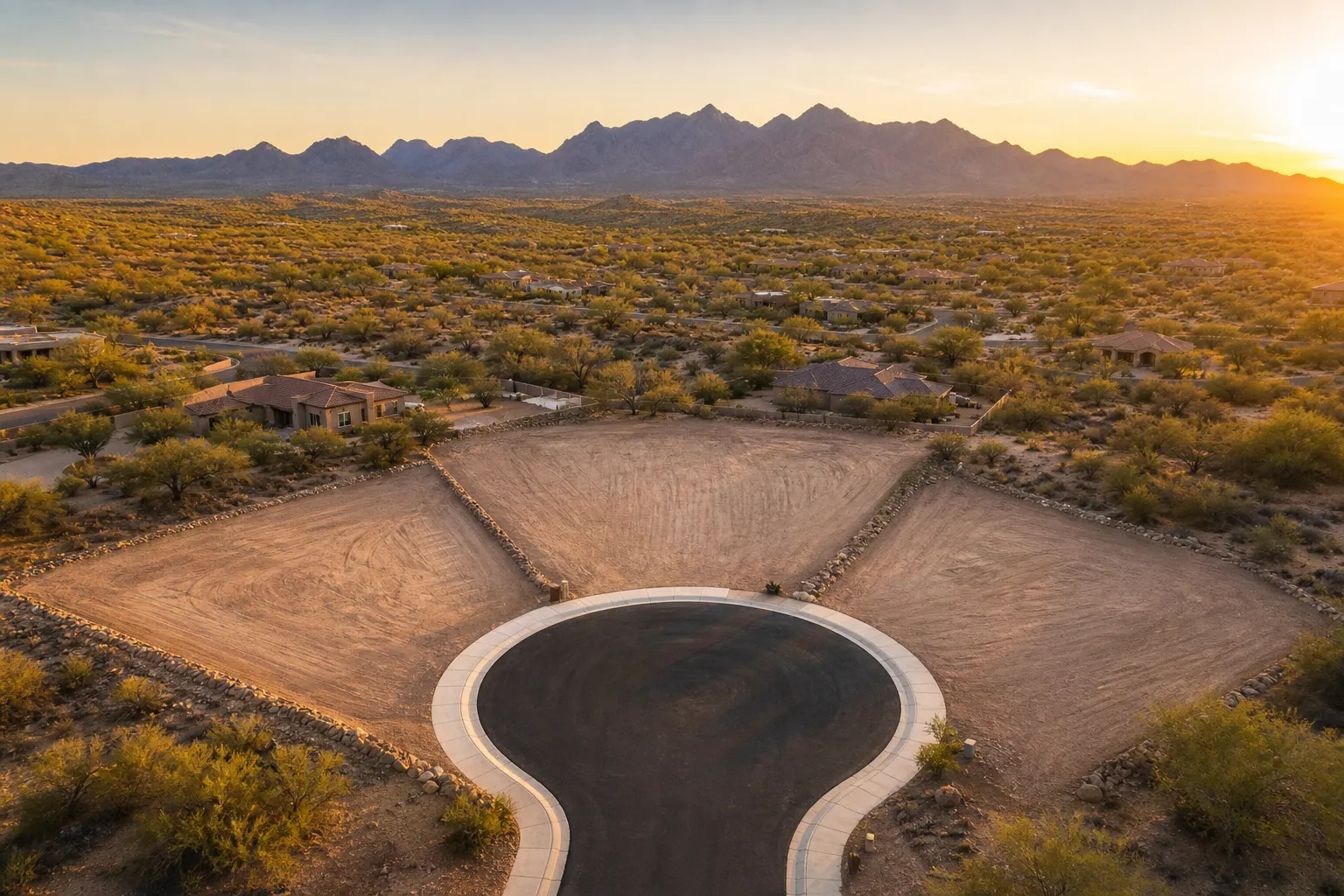
Neither a flat-rate general contractor nor a cost-plus contract is better for every new build in Arizona. Flat-rate means a fixed number for a defined scope, and the builder carries overrun risk inside that scope. Cost-plus means you pay actual costs plus a builder fee, and you carry the overrun. In Wellton and Yuma County, the better fit depends on how settled the plans, the lot, and the allowances are.
What is a flat-rate general contractor?
A flat rate general contractor agrees to build a written scope for a fixed number. Fixed-price means the same thing: one number for the work the contract describes. Inside that scope, if labor or materials run past the number, the builder carries the overrun. A longer day on work that was already included is not a reason to reopen the number.
The number is only as solid as the paper under it. Plans, specifications, and a list of included work have to exist. Allowances are the open lines inside an otherwise fixed contract: a fixture, a finish, or a site item the drawings left unsettled. When the real selection is made, the difference is a change order. Until then, that line was never flat.
In Wellton and the rest of Yuma County, that paper meets desert lots. Heat, distance, and small crews are part of the job. A parcel may need septic rather than sewer, a longer utility run, or dirt work the first visit missed. How to get a building permit in Wellton, AZ is a separate file, and a review can send drawings back. A flat rate that assumed a clean lot and a clean review still has holes. Close them in the scope before you treat the number as the whole job.
What is a cost-plus general contractor contract?
A cost-plus contract pays the general contractor the actual costs of the work plus a builder fee. Lumber, labor, subcontractors, and site work are billed as they happen, and you should see the invoices. The fee is how the builder is paid for running the job. This article does not quote a fee or a build number.
You carry the overrun. If the slab takes more work, a material moves, or a trade bill comes in higher, that cost is yours, on the fee terms you signed. The builder manages the work and shows the costs. The builder is not holding a fixed number the way a flat rate general contractor does.
Cost-plus is the straightforward form when the scope is still moving. Early plans, an unsettled lot, or a finish list that is not done turn a fixed number into a guess. Ask how costs are defined, what the builder fee covers in plain words, and what you will see before a bill is treated as final.
Who carries overrun risk on a flat-rate contract versus cost-plus?
On a flat-rate contract, the general contractor carries overrun risk inside the agreed scope. On a cost-plus contract, the owner carries overrun risk on the actual costs.
You still carry some risk on a flat rate. Your changes, the exclusions, and open allowances sit with you. Unknown site conditions sit with you when the number assumed ordinary dirt and the dirt is not ordinary. A flat rate does not mean nothing on the lot can cost more. It means the builder carries the risk for the work that was written down.
On cost-plus, ask for the backup and for what was approved before it was bought. You still pay the actual cost of work you approved.
A Yuma County summer slows outdoor work. A Wellton lot may need septic, a longer electric run, or a grading fix after the first dig. Put those in the contract before anyone argues about who should have known. Permits and carry eat people who only buy the lot is the wait around that file. A vague scope does not pause the calendar.
The Arizona new-build cost estimator frames the kinds of costs a new build has. The build vs buy calculator frames a new build against a finished house. Neither tool picks flat rate or cost-plus. Both sit on the free calculators page.
How do change orders work on a flat-rate or cost-plus contract?
A change order is a written change to the scope, the time, or the number. It keeps the contract truthful after the first signature. A verbal side agreement is how both types go sour.
On a flat rate, a change order is how new work is added. A different layout, a detail the permit review requires, or dirt the number did not assume: the original number stays put for the old scope, and the change order writes the new work. Without that writing, people later argue about whether the first number still holds.
On cost-plus, a change order records that you approved the new work before costs pile up. You still pay actual costs plus the builder fee. It is the record of what you asked for, not a second fixed number, unless you convert that piece of work on purpose.
Ask for the change before the work starts: what it adds, whether it adds days, and who may approve it.
Flat-rate vs cost-plus general contractor: which is better for a new build in Arizona?
Neither is better for every new build. A flat rate general contractor is the better fit when the plans, the lot, and the allowances are settled enough that a builder can hold a number. A cost-plus contract is the better fit when the scope is still moving and you would rather pay actual costs plus a builder fee than treat a guess as fixed.
A spec house starts before a buyer is lined up. What is a spec home, and how does one get built in Arizona is that sequence. Leaving finishes for later pushes you toward allowances, cost-plus, or a stack of change orders. Name that while the drawings are open.
Wellton and Yuma County do not invent a third contract. Confirm the parcel, who reviews the plans, and which utilities serve that address before a number is treated as complete. A flat rate that left out septic, water, or electric is incomplete. A cost-plus job that never defined those items will meet them as invoices.
What should you ask a builder before you sign?
Ask whether the contract is flat rate or cost-plus, then get the scope in writing.
- What work is included, and what is excluded?
- Which lines are allowances, and what happens when the real item is chosen?
- What if the soil, the septic path, or a utility run is not what the walkthrough assumed?
- How is a change order written, who can approve it, and does the work wait for that writing?
- If included work runs past the number, who pays?
On a flat rate, the builder should carry included work that runs past the number. On cost-plus, you pay actual costs plus the builder fee you agreed to. Then ask whether the builder is already on a job, or whether you are still starting a search.
How does an in-house builder change the contract conversation?
The Wellton Build Club does not send you to hunt a general contractor after the lot is yours. In-house GC vs hunting a contractor is that difference: a builder already on the live job, versus a search that starts late. This page does not repeat the hunt. The contract type is the next layer once a builder is in the room.
Alexander & Arturo run the club. Arturo is the in-house GC. Members vote the build. Leaders execute. You can ask flat rate or cost-plus, and how change orders get written, with a builder who is on the work. Public pages do not list a street. The stills are vision. They are not a standing home.

How do you see the live job?
Unlock the live job on the Build With Me Capital home page. Call (520) 353-2244 if you want to talk with someone on this job.
This article is educational. It does not sell securities. It explains a flat rate general contractor and a cost-plus contract for a new build in Arizona. It does not quote amounts.
Questions people ask
What is a flat rate general contractor?
A flat rate general contractor agrees to build a written scope for a fixed number. Fixed-price means the same thing. Inside that scope, the builder carries overrun risk if labor or materials run past the number. Allowances, exclusions, owner changes, and site conditions the contract did not assume can still move the job through a change order. In Wellton and Yuma County, confirm the lot, the utilities, and the permit path before you treat the number as complete.
What is a cost-plus general contractor contract?
A cost-plus contract pays the general contractor the actual costs of the work plus a builder fee. The owner carries overrun risk. If the work costs more, the owner pays those actual costs on the fee terms in the contract. Cost-plus is the better fit when plans, the lot, or the finish list are still moving. Ask how costs are defined, what the builder fee covers, and which invoices you will see.
Flat-rate vs cost-plus general contractor: which is better for a new build in Arizona?
Neither is better for every new build in Arizona. A flat rate general contractor is the better fit when the plans, the lot, and the allowances are settled, because the builder carries overrun risk inside that scope. A cost-plus contract is the better fit when the scope is still moving, because you pay actual costs plus a builder fee and you carry the overrun. Wellton and Yuma County do not change that split. They change how complete the scope has to be before a number is real.
Who carries overrun risk, the owner or the general contractor?
On a flat-rate contract, the general contractor carries overrun risk inside the agreed scope. On a cost-plus contract, the owner carries overrun risk on actual costs. The owner still pays for changes, exclusions, and open allowances on a flat rate. A cost-plus builder still has to show the costs and manage the work that was approved.
How do change orders work on a flat-rate or cost-plus contract?
A change order is a written change to the scope, the time, or the number. On a flat rate, it adds work that the original number did not include, and the original number stays in place for the old scope. On cost-plus, it records that you approved the new work before the costs arrive, and you still pay actual costs plus the builder fee. Ask for the writing before the crew does the work, and ask who is allowed to approve it.
How does the Wellton Build Club's in-house builder relate to the contract?
Alexander & Arturo run the Wellton Build Club. Arturo is the in-house GC on a live job in Wellton, Arizona. Members vote the build. Leaders execute. The club does not send you hunting a contractor after the lot is yours. The contract conversation, flat rate or cost-plus, happens with a builder already on the job. Call (520) 353-2244, or unlock the live job briefing at buildwithmecapital.com. This page does not sell securities.